Daily Physics: X-Ray, CT Scan, MRI , Ultrasound– What’s the Difference?

If you’ve ever had an injury or needed a closer look inside your body, you’ve probably come across X-rays, CT scans, or MRIs. But how do these medical imaging techniques actually work? Let’s break it down with a little physics!
1. X-Ray: The Quick Snapshot
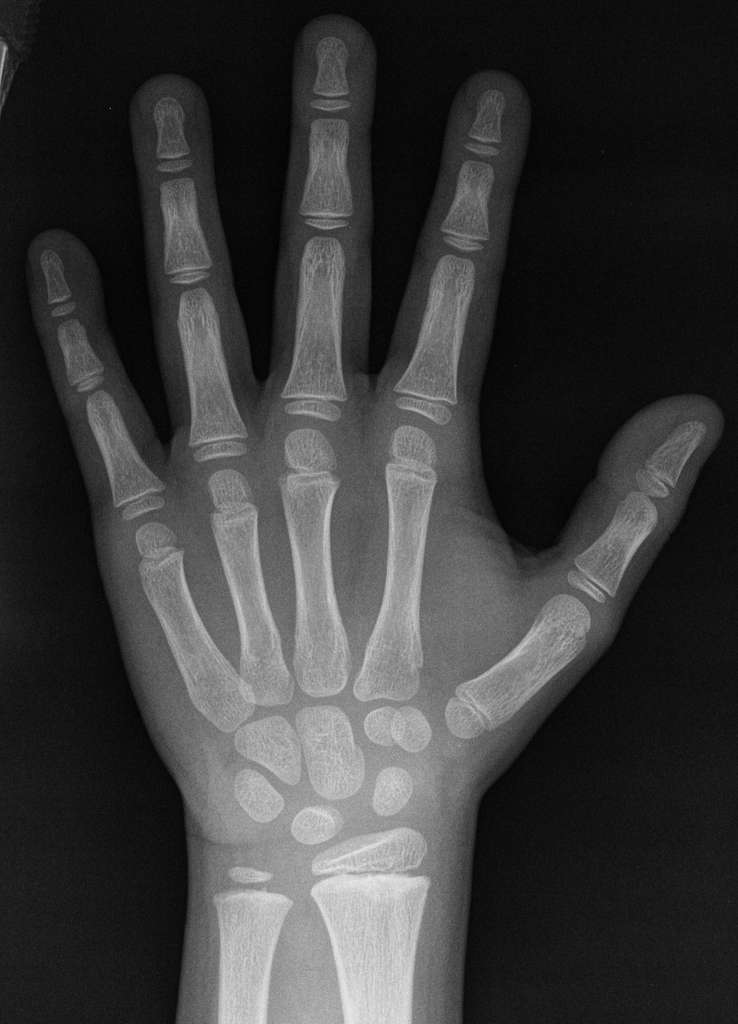
- X-rays use high-energy electromagnetic waves (short-wavelength photons) to pass through soft tissues but are absorbed by denser materials like bones.
- This is why X-ray images show bones clearly while soft tissues appear faint.
- The physics behind it? X-rays interact with atoms via photoelectric absorption and Compton scattering, making denser areas more visible.
2. CT Scan: X-Rays in 3D!
- A Computed Tomography (CT) scan is like an advanced X-ray. Instead of one flat image, it takes multiple X-rays from different angles and combines them into a 3D image.
- It works using a rotating X-ray beam and a detector, processed by a computer to reconstruct detailed cross-sectional images.
- More X-ray exposure, but better detail—great for soft tissues, blood vessels, and organs.

3. MRI: Magnets, Not Radiation!
- Magnetic Resonance Imaging (MRI) doesn’t use X-rays at all. Instead, it uses strong magnetic fields and radio waves.
- The physics? The magnetic field aligns hydrogen atoms in your body, and radio waves disturb them. As they return to their original state, they emit signals that create detailed images of soft tissues.
- Safe from ionizing radiation, but not great for bones.

4. Ultrasound: Sound Waves at Work
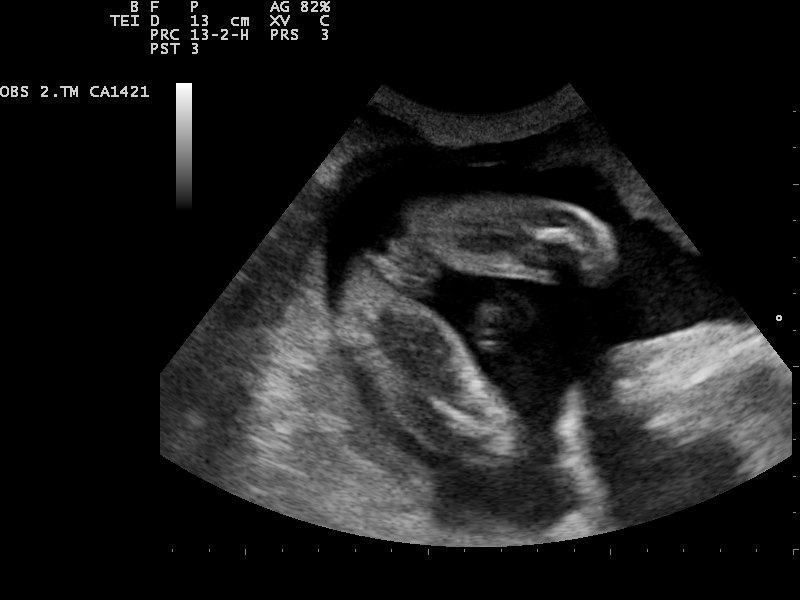
- Instead of radiation, ultrasound uses high-frequency sound waves that bounce off tissues and create an image.
- The physics: It’s all about acoustic impedance—denser materials reflect more sound, which helps build an image.
- Used for pregnancies, heart monitoring, and real-time imaging.
Which One is Best?
- X-Ray → Quick bone imaging.
- CT Scan → Detailed 3D scans, better for soft tissues and emergency cases.
- MRI → No radiation, best for soft tissue like the brain, muscles, and joints.
- Ultrasound → Non-invasive, safe, and great for real-time imaging.
Physics Behind the Magic
- X-rays and CT scans rely on ionizing radiation and interaction with matter.
- MRI uses nuclear magnetic resonance, dealing with atomic energy transitions.
- Ultrasound operates through sound wave propagation and reflection.
Next time you hear about a scan, you’ll know exactly what’s happening inside that machine—physics at its best!
 Fotakidis Christos